Billing & GST
GST E-Invoicing in 2026: Who Must Comply and How Billing Software Helps
Crossed ₹5 crore turnover? Then GST e-invoicing applies to you. A plain-English guide to the 2026 rules, the 30-day reporting limit and choosing GST billing software.
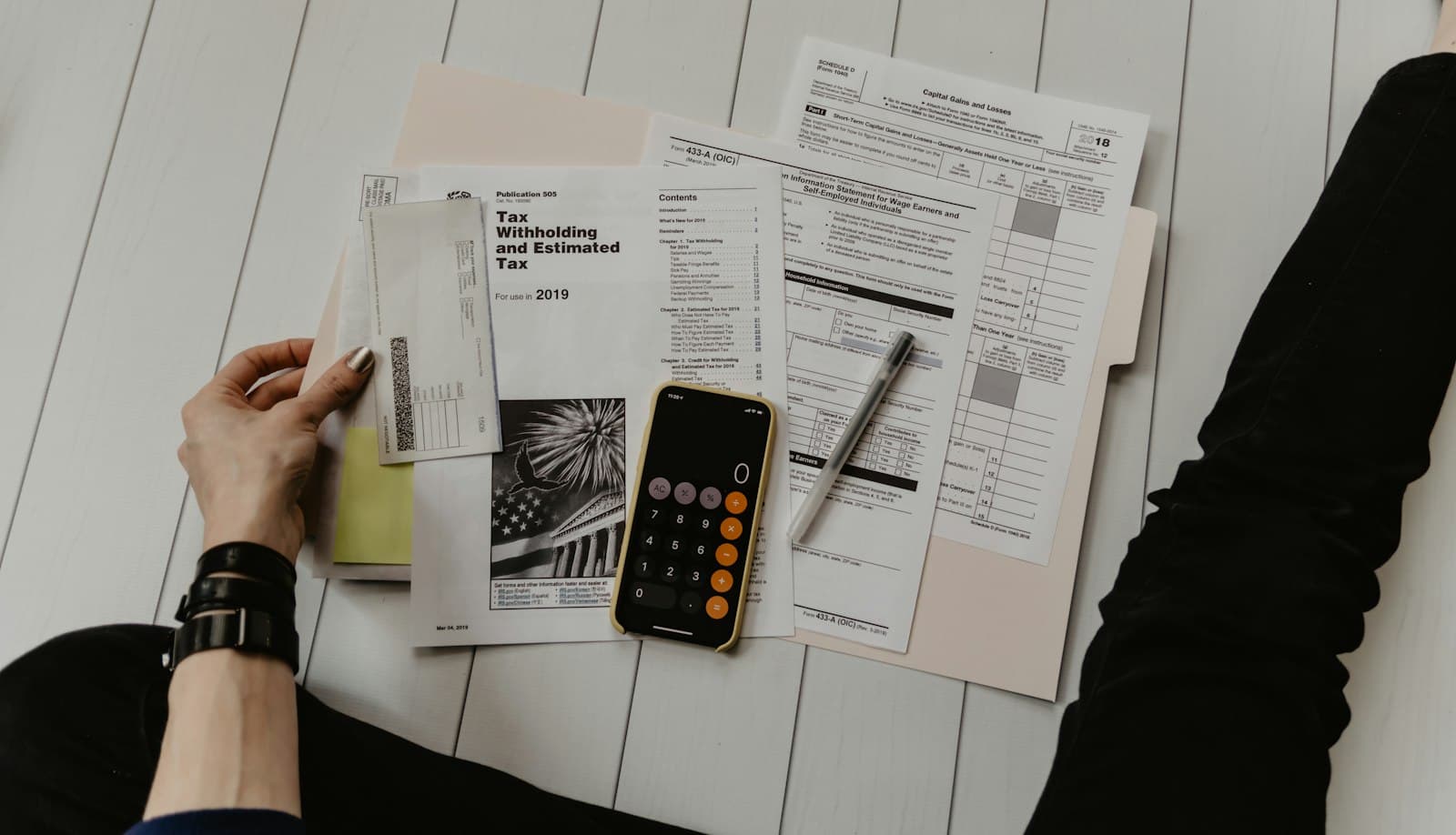
If your business has grown past ₹5 crore in turnover, your B2B invoices now have to go through the government's Invoice Registration Portal (IRP). That's GST e-invoicing, and getting it wrong can mean penalties and customers who can't claim their input tax credit.
This guide explains who it applies to, what changed recently, and how good billing software makes it automatic.
This is general information, not tax advice. Always confirm your own position with your CA or on the GST portal.
Who has to generate e-invoices?
E-invoicing applies to registered businesses whose aggregate annual turnover has exceeded ₹5 crore in any financial year since 2017-18. The ₹5 crore threshold has applied since August 2023. Once you cross it, the requirement stays even if turnover drops later.
It covers B2B invoices, credit notes and debit notes, and exports. Regular sales to consumers (B2C) are not e-invoiced, though larger businesses have separate dynamic-QR-code rules for B2C bills.
There has been talk of lowering the threshold further, but always check the latest notification on the GST portal rather than relying on news reports.
The 30-day reporting limit
Businesses with turnover of ₹10 crore or more must report each invoice to the IRP within 30 days of the invoice date. After that, the portal won't generate an IRN for it, and an invoice without a valid IRN isn't a valid tax invoice for your customer.
This is where manual processes break down: an invoice typed in Excel and forgotten for a month can't be fixed later.
What happens if you don't comply?
Under Section 122 of the CGST Act, issuing an invoice without a required e-invoice can attract a penalty of ₹10,000 or the tax involved, whichever is higher, per invoice. Your buyer may also lose the input tax credit, which damages the relationship fast.
How e-invoicing works, step by step
- Your billing software creates the invoice in the government's JSON format.
- It's sent to the IRP, which checks it and returns an IRN (Invoice Reference Number) and a signed QR code.
- The IRN and QR code are printed on the invoice you give your customer.
- The details flow into GSTR-1 automatically, which cuts down on return-filing errors.
What to look for in GST billing software
- Direct IRP integration so IRN and QR codes are generated in one click
- Automatic CGST, SGST and IGST calculation based on place of supply
- HSN/SAC codes saved against each product or service
- E-way bill generation for goods movement
- Credit and debit notes linked back to the original invoice
- Inventory that updates with every bill, so stock is always right
- Reports your CA can use: GSTR-1 data, sales registers and tax summaries
- Works offline at the counter and syncs when the internet returns
Off-the-shelf or custom billing software?
Ready-made tools work well for many shops. A custom billing and inventory system makes sense when you have several branches, unusual pricing, staff attendance to track, or reports a generic tool can't produce. For Aura Clean we built GST invoicing, stock and sales reports into one system that fits how the business actually works.
- GST e-invoicing 2026
- GST billing software
- E-invoice limit
- IRN generation
- Billing software Ahmedabad